
Rural Student Resources

One of the biggest challenges when entering higher education is adjusting to the style, rigor, and expectations of college-level coursework. Coming from a community where educational opportunities and resources are less concentrated, students often find it challenging to adjust to the fast-paced, academically focused culture of college. Luckily, there are many resources and opportunities that are provided to help students adjust. While such resources vary in detail and intensity, they are essential in setting students up for success. This resource discusses modes of academic assistance, including tutoring services, office hours, teaching assistants (TAs), and writing centers.
Authors: Eli Ashe, Chesney Lovelace, Jessica Ross, Bradley Markland
Editors: Annabel Dougherty, Emily Kiss
Design: Jenna Watson
General University Services
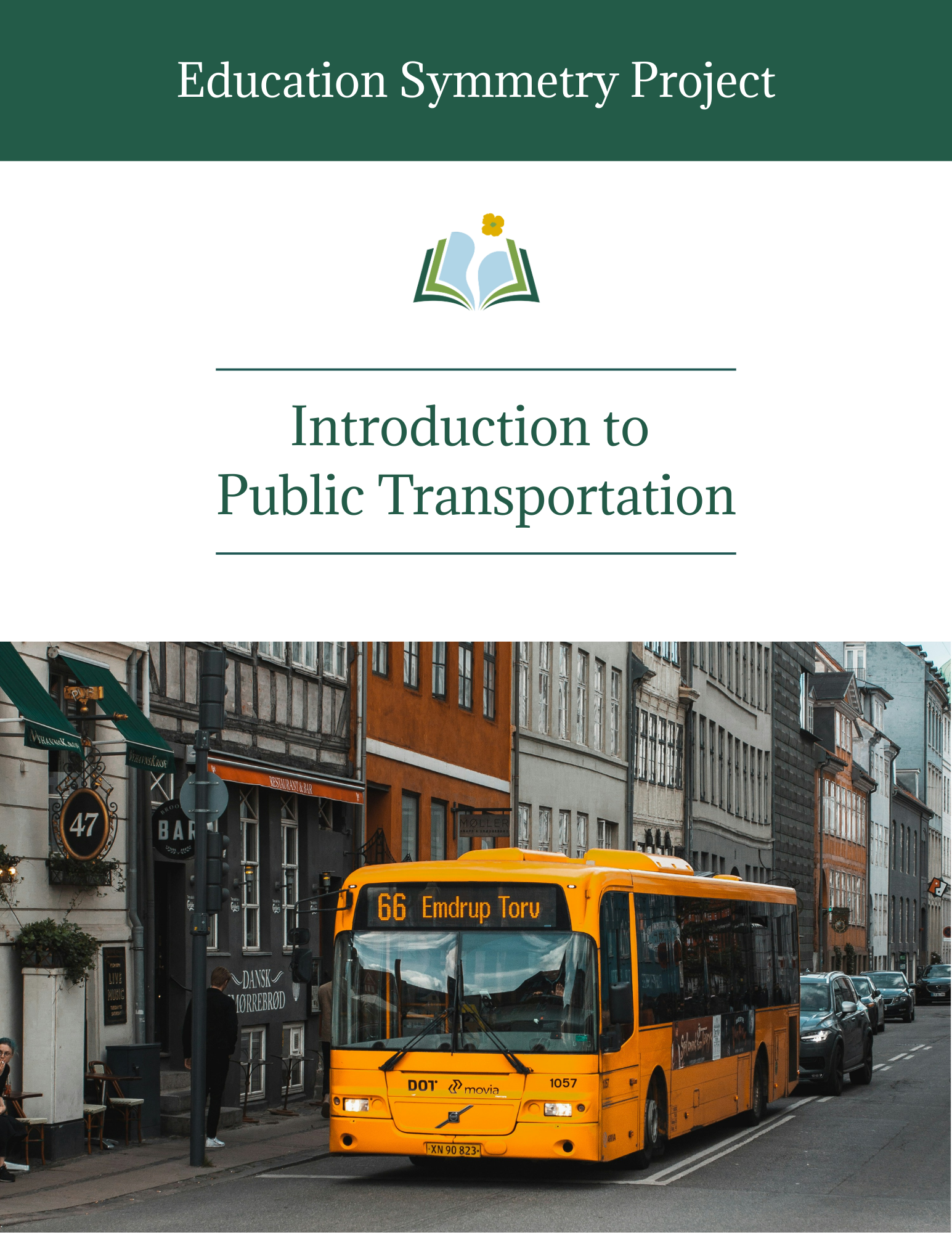
When transitioning from high school to college, an issue that many students from rural areas face are new methods of and restrictions on traveling. Many rural areas are car dependent due to large distances from town to town and a low population density that makes public transportation less feasible. Conversely, many universities are located in cities with dense populations, large numbers of businesses, and little room for parking. In addition, many universities offer insufficient parking opportunities to students, making it difficult or impossible for students to bring a car to school during their first year at university. As a result, students from rural areas may feel stranded when they begin studying at a university at which the normal means of transportation that they were used to at home is no longer available and they are forced to interact with a new method of getting from place to place: public transportation. This guide will explain common means of public transportation such as buses and subways and how to use them.
Authors: Garrett I. Barnes, Eli Ashe
Editors: Annabel Dougherty, Emily Kiss
Design: Jenna Watson
Intro to Public Transport
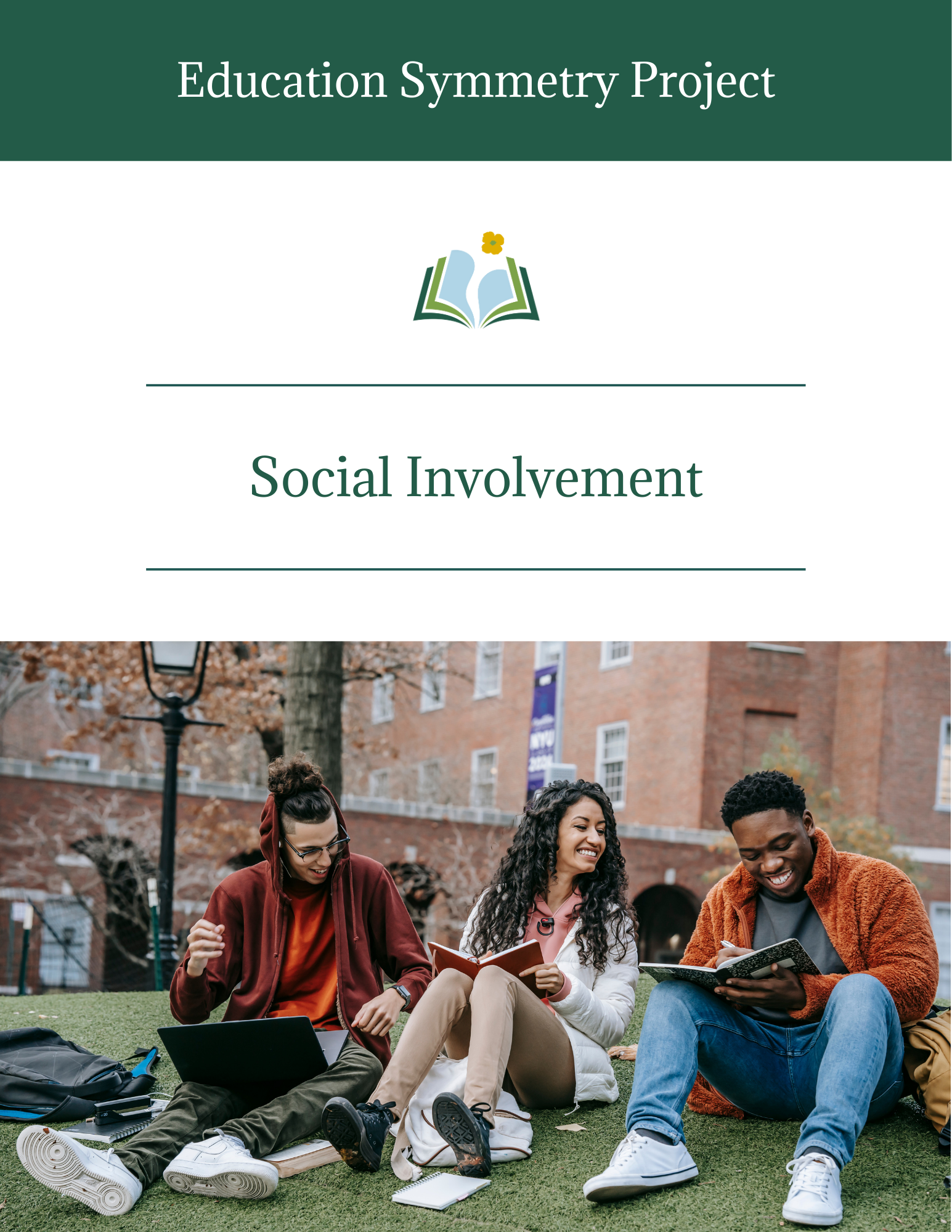
College is much more than chasing grades and earning credits for future careers; it is also about finding one's place in a community. Through campus events, organizations, and Greek life, students can build relationships and shape who they will become, both intellectually and personally. These spaces allow individuals to take risks and be themselves, while creating opportunities for leadership, connection, and creativity. These lessons extend far beyond the classroom walls. However, overcommitment can sometimes lead to loss of balance or burnout. Understanding how to balance social participation with self-care is vitally important. Overall, being involved in college means finding communities that inspire you while still giving yourself the space to thrive.
Authors: Eli Ashe, Chesney Lovelace, Jessica Ross, Bradley Markland
Editors: Annabel Dougherty, Emily Kiss
Design: Jenna Watson
Social Involvement
University Health Services
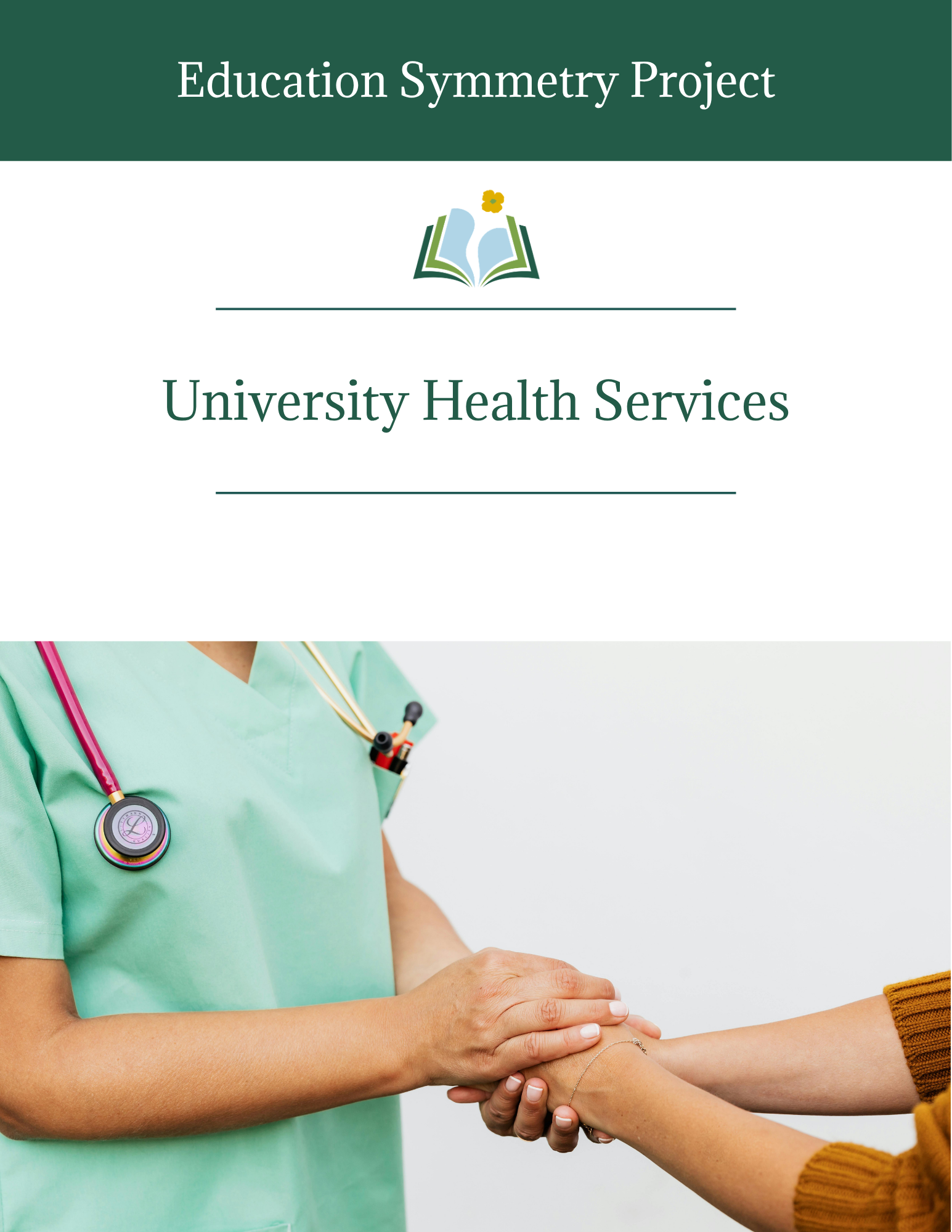
Transitioning to college can seem like a daunting task, with adjusting to classes, living in a dorm, and making new friends. On top of that, understanding and accessing campus health systems can add even more stress. Whether you are dealing with a common cold or a serious health condition, understanding how to utilize these services is key. This resource will help break down campus health resources within your university, from scheduling and attending appointments, understanding insurance, and managing prescriptions or allergy treatments.
Authors: Eli Ashe, Chesney Lovelace, Jessica Ross, Bradley Markland
Editors: Annabel Dougherty, Emily Kiss
Design: Jenna Watson
Mental Health Services
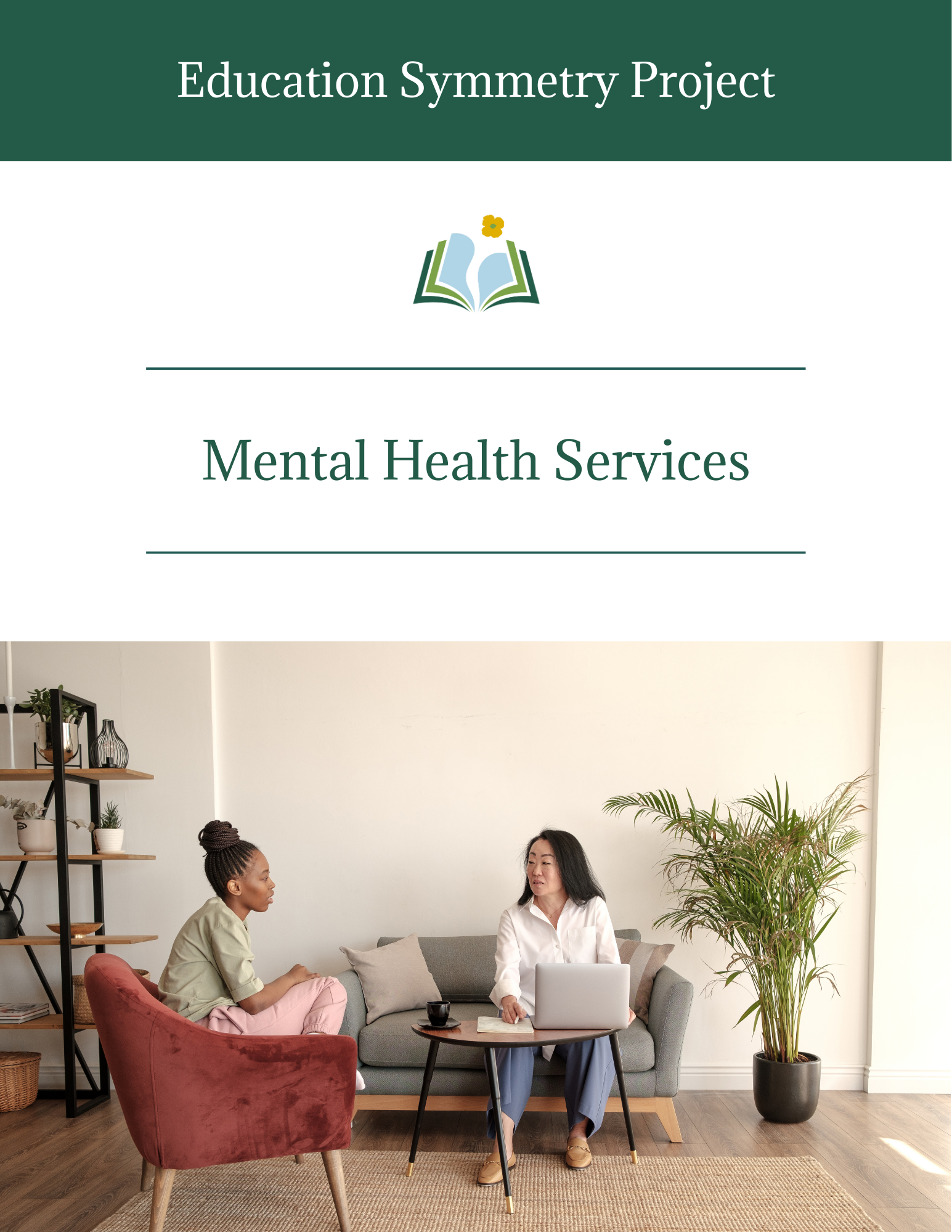
Entering higher education often causes stress, anxiety, and worry due to changes in environment and workload. Universities recognize the urgency of supporting mental health and have developed comprehensive programs for students in response. Students are encouraged to participate in these services as often as needed at no financial cost. They are designed to be an outlet for students, while also laying the foundation to build resiliency and longevity in their mental health journey. Utilizing these professional mental health services empowers students and helps them navigate the challenges that college presents.
Authors: Eli Ashe, Chesney Lovelace, Jessica Ross, Bradley Markland
Editors: Annabel Dougherty, Emily Kiss
Design: Jenna Watson
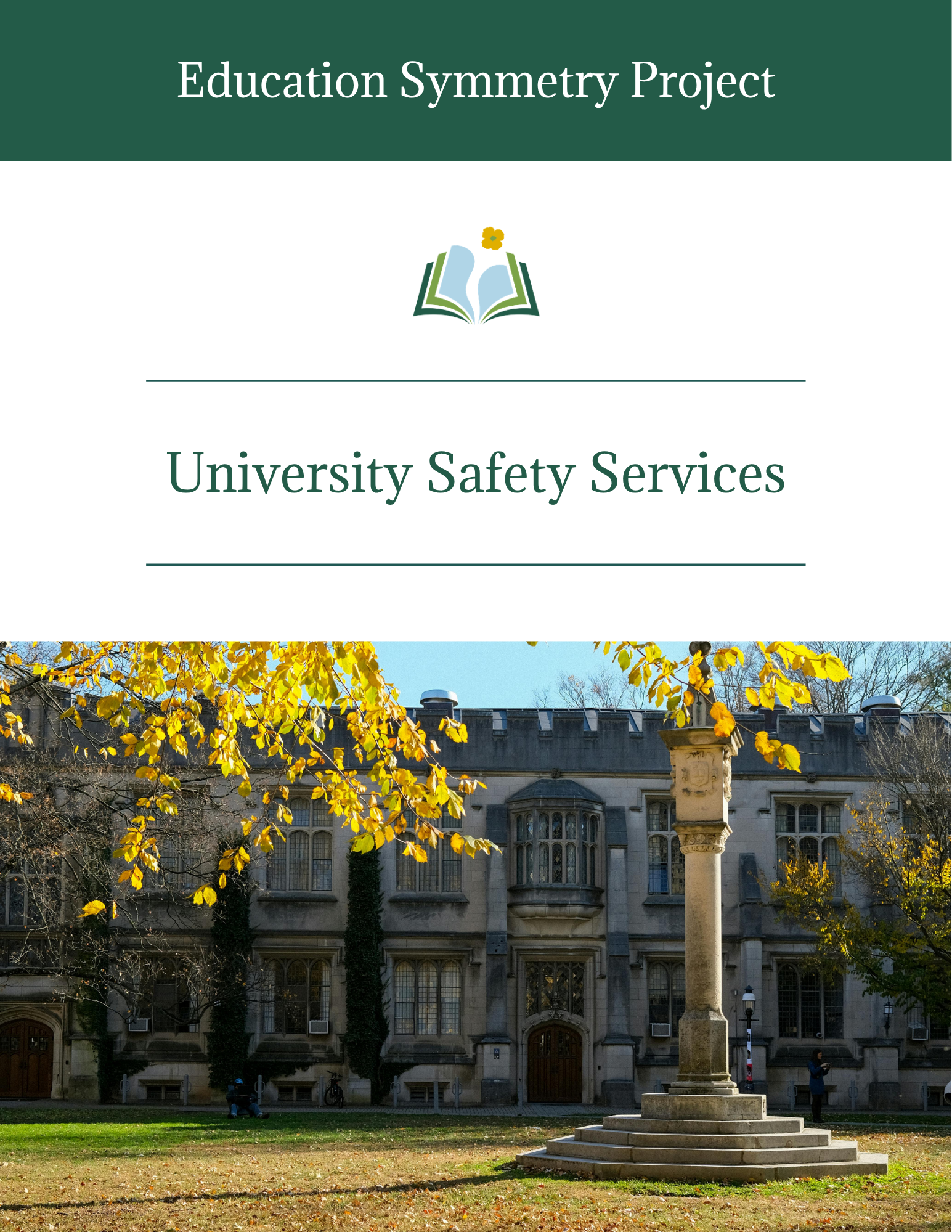
When entering college, it is natural to feel nervous about your safety. Campus security plays a crucial role in the well-being and overall experience of students at universities. With the presence of campus police and safety systems, students and staff can grow and learn in a secure environment. Although the name and structure of these systems may vary between universities, their purpose remains the same: to provide a sense of safety and reassurance so students can focus on their education and community.
Authors: Eli Ashe, Chesney Lovelace, Jessica Ross, Bradley Markland
Editors: Annabel Dougherty, Emily Kiss
Design: Jenna Watson
University Safety Services
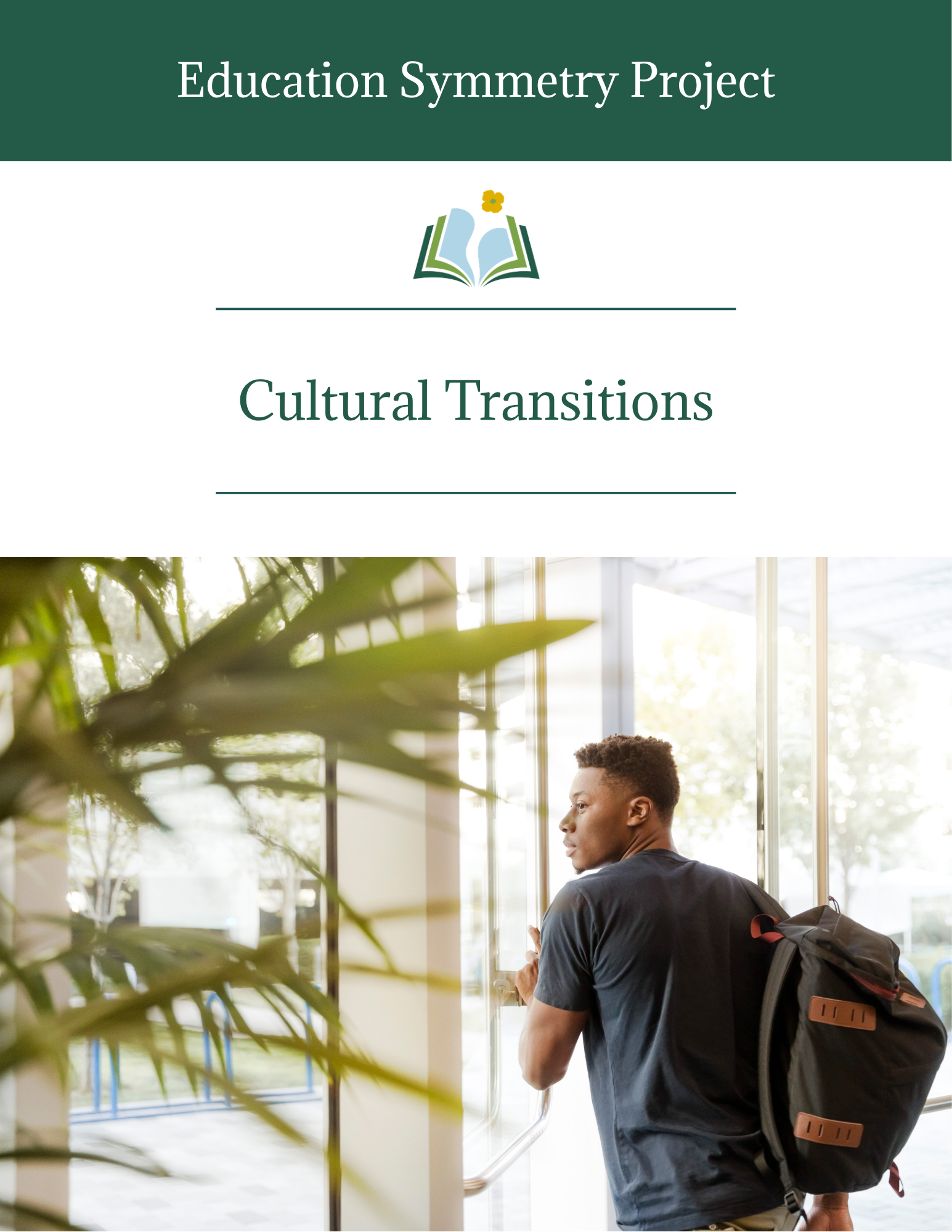
The transition from high school to college is one of the most significant transitions in a student’s life, as personal growth and new challenges arise. Understanding and navigating cultural differences is a key part of his transition. Many individuals from diverse backgrounds and experiences arrive on college campuses. This makes these spaces central hubs for exploring new ways of thinking.. It is important that students understand and accept others’ backgrounds, but also understand their own identity in this new setting. For some, this may be instant upon arriving at college, and for others, it may take a while. It is important to realize that this duration of time does not define you, and taking time to build self-confidence, patience, and openness is crucial to success in college. By exploring how to appreciate multiple perspectives and find one’s place in a community, students are able to view college as not just an academic pursuit but as an opportunity for personal development through broadening their perspective.
Authors: Eli Ashe, Chesney Lovelace, Jessica Ross, Bradley Markland
Editors: Annabel Dougherty, Emily Kiss
Design: Jenna Watson
Culture Transitions
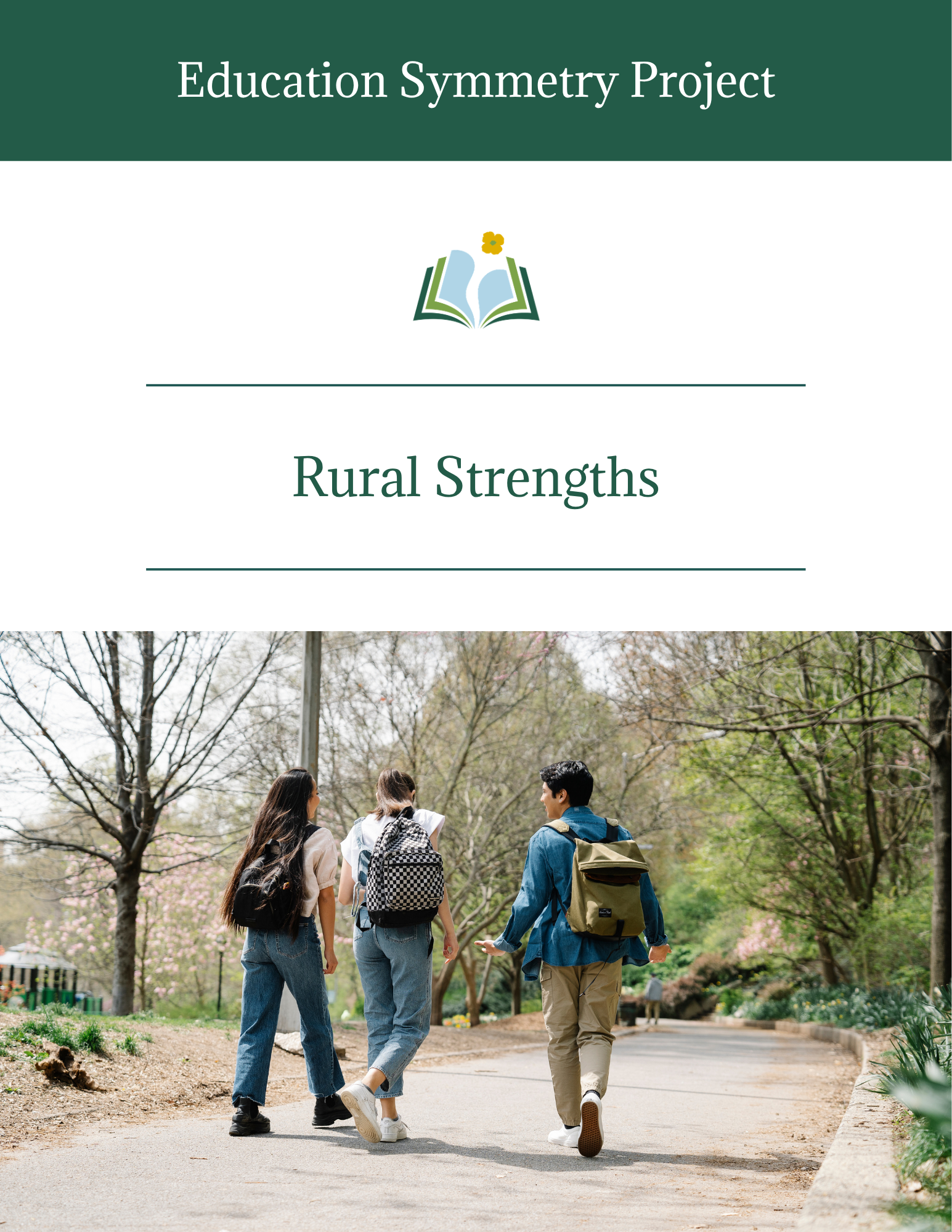
Significant cultural transitions mark the college experience for all students. Rural students often feel these shifts most intensely, as a fast-paced environment and different social values can be jarring. Despite these challenges, rural students are essential to the college community and are deeply valued parts of a campus’s culture. There are many strengths rural students bring that make their time in college impactful and productive. This resource will help rural students understand how their identities fit within a collegiate environment, what to expect when transitioning to college, and how the strengths of rural identity can support their success.
Authors: Eli Ashe, Chesney Lovelace, Jessica Ross, Bradley Markland
Editors: Annabel Dougherty, Emily Kiss
Design: Jenna Watson